
Calendar Missing Days - The gregorian calendar, the calendar system we use today, was first introduced in 1582. But while the adoption of the gregorian calendar brought about improved accuracy in measuring time, it also meant that 10 days went missing. The eleven days referred to here are the ‘lost’ 11 days of september 1752, skipped when britain changed over from the julian calendar to the gregorian calendar, bringing us into line with most of europe. To make up for the inaccuracies of its predecessor, the julian calendar, a number of days had to be skipped. Why are some dates missing? The church had chosen october to avoid skipping any major christian festivals. Not everyone was willing to play along. ‘give us our eleven days!’ the english calendar riots of 1752. By konstantin bikos and aparna kher. Let’s take a look at the gregorian and the julian calendars, why the switch was made, and what happened to the missing 10 days.

The Mystery of the Missing Days I KNOW
Why are some dates missing? The church had chosen october to avoid skipping any major christian festivals. Yes, such an incident actually happened back in 1582. ‘give us our eleven days!’ the english calendar riots of 1752. Six and a half million britons went to bed on september 2, 1752, and woke up on september 14.

Days Missing In Calendar Traci Harmonie
The gregorian calendar, the calendar system we use today, was first introduced in 1582. Let’s take a look at the gregorian and the julian calendars, why the switch was made, and what happened to the missing 10 days. Why are some dates missing? By konstantin bikos and aparna kher. Here’s a brief explanation of how the calendar has evolved and.

Days Missing In Calendar Traci Harmonie
To make up for the inaccuracies of its predecessor, the julian calendar, a number of days had to be skipped. Why are some dates missing? ‘give us our eleven days!’ the english calendar riots of 1752. Yes, such an incident actually happened back in 1582. Not everyone was willing to play along.
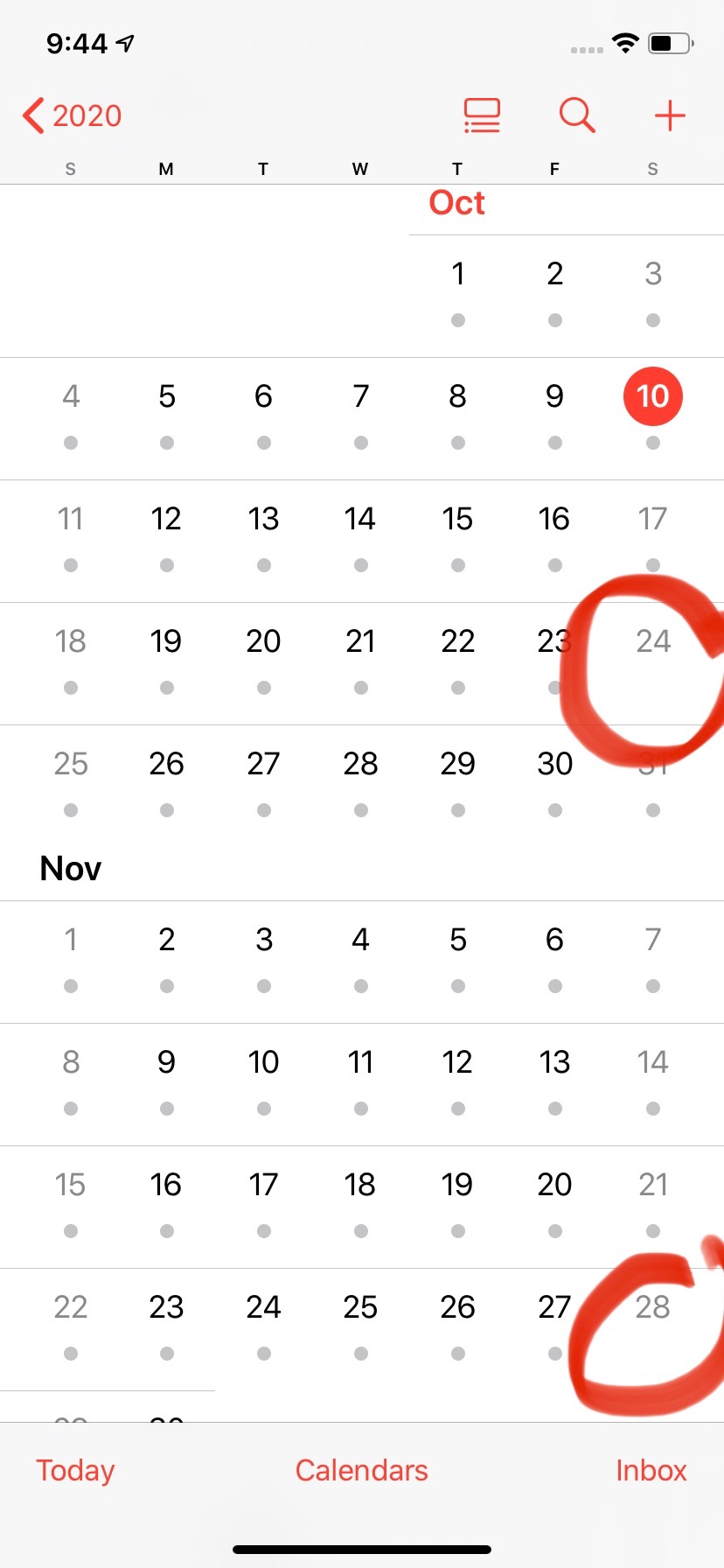
Calendar on iPhone is missing dates Apple Community
The gregorian calendar, the calendar system we use today, was first introduced in 1582. ‘give us our eleven days!’ the english calendar riots of 1752. The most surreal part of implementing the new calendar came in october 1582, when 10 days were dropped from the calendar to bring the vernal equinox from march 11 back to march 21. But while.
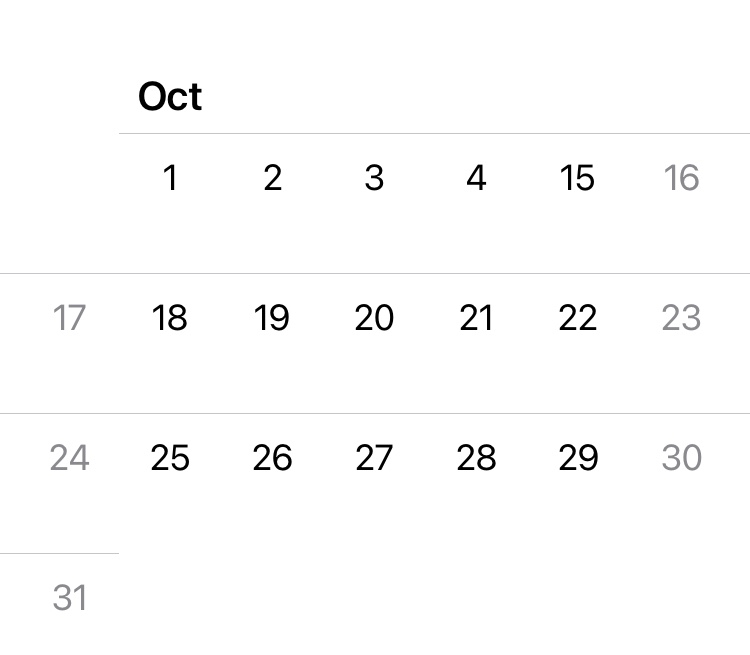
Missing days in Calendar Apple Community
The calendar (new style) act of 1750, of course. But while the adoption of the gregorian calendar brought about improved accuracy in measuring time, it also meant that 10 days went missing. The church had chosen october to avoid skipping any major christian festivals. The gregorian calendar, the calendar system we use today, was first introduced in 1582. To make.

Why are 10 Days Missing from Your Calendar in October of 1582? Wants to Know News18
The church had chosen october to avoid skipping any major christian festivals. The eleven days referred to here are the ‘lost’ 11 days of september 1752, skipped when britain changed over from the julian calendar to the gregorian calendar, bringing us into line with most of europe. Subsequently, new year’s day, previously beginning on march 25th would now fall on.

Missing Days In Calendar Margi Saraann
‘give us our eleven days!’ the english calendar riots of 1752. The eleven days referred to here are the ‘lost’ 11 days of september 1752, skipped when britain changed over from the julian calendar to the gregorian calendar, bringing us into line with most of europe. Not everyone was willing to play along. Six and a half million britons went.

Why Are There 10 Days Missing From October 1582 Calendar? Complete Story!
‘give us our eleven days!’ the english calendar riots of 1752. Why are some dates missing? Six and a half million britons went to bed on september 2, 1752, and woke up on september 14. The most surreal part of implementing the new calendar came in october 1582, when 10 days were dropped from the calendar to bring the vernal.

Why Our Calendars Skipped 11 Days in 1752 Mental Floss
The most surreal part of implementing the new calendar came in october 1582, when 10 days were dropped from the calendar to bring the vernal equinox from march 11 back to march 21. Once upon a time, each civilisation used its own calendar system. ‘give us our eleven days!’ the english calendar riots of 1752. Yes, such an incident actually.

Why Does October 1582 Have 10 Missing Days? Here’s All You Need To Know About the October
Let’s take a look at the gregorian and the julian calendars, why the switch was made, and what happened to the missing 10 days. Subsequently, new year’s day, previously beginning on march 25th would now fall on january 1st. Yes, such an incident actually happened back in 1582. The gregorian calendar, the calendar system we use today, was first introduced.
The calendar (new style) act of 1750, of course. Yes, such an incident actually happened back in 1582. The most surreal part of implementing the new calendar came in october 1582, when 10 days were dropped from the calendar to bring the vernal equinox from march 11 back to march 21. The eleven days referred to here are the ‘lost’ 11 days of september 1752, skipped when britain changed over from the julian calendar to the gregorian calendar, bringing us into line with most of europe. Six and a half million britons went to bed on september 2, 1752, and woke up on september 14. Here’s a brief explanation of how the calendar has evolved and why people in the past have actually “slept through” 10 full days: Let’s take a look at the gregorian and the julian calendars, why the switch was made, and what happened to the missing 10 days. Once upon a time, each civilisation used its own calendar system. The gregorian calendar, the calendar system we use today, was first introduced in 1582. But while the adoption of the gregorian calendar brought about improved accuracy in measuring time, it also meant that 10 days went missing. Not everyone was willing to play along. By konstantin bikos and aparna kher. Why are some dates missing? The church had chosen october to avoid skipping any major christian festivals. To make up for the inaccuracies of its predecessor, the julian calendar, a number of days had to be skipped. ‘give us our eleven days!’ the english calendar riots of 1752. Subsequently, new year’s day, previously beginning on march 25th would now fall on january 1st.
Let’s Take A Look At The Gregorian And The Julian Calendars, Why The Switch Was Made, And What Happened To The Missing 10 Days.
Yes, such an incident actually happened back in 1582. ‘give us our eleven days!’ the english calendar riots of 1752. Once upon a time, each civilisation used its own calendar system. Six and a half million britons went to bed on september 2, 1752, and woke up on september 14.
Why Are Some Dates Missing?
To make up for the inaccuracies of its predecessor, the julian calendar, a number of days had to be skipped. By konstantin bikos and aparna kher. Here’s a brief explanation of how the calendar has evolved and why people in the past have actually “slept through” 10 full days: The eleven days referred to here are the ‘lost’ 11 days of september 1752, skipped when britain changed over from the julian calendar to the gregorian calendar, bringing us into line with most of europe.
Subsequently, New Year’s Day, Previously Beginning On March 25Th Would Now Fall On January 1St.
The calendar (new style) act of 1750, of course. Not everyone was willing to play along. But while the adoption of the gregorian calendar brought about improved accuracy in measuring time, it also meant that 10 days went missing. The gregorian calendar, the calendar system we use today, was first introduced in 1582.
The Most Surreal Part Of Implementing The New Calendar Came In October 1582, When 10 Days Were Dropped From The Calendar To Bring The Vernal Equinox From March 11 Back To March 21.
The church had chosen october to avoid skipping any major christian festivals.